
What Makes an Exhibition Stand Truly Exceptional – Nicholas De Klerk

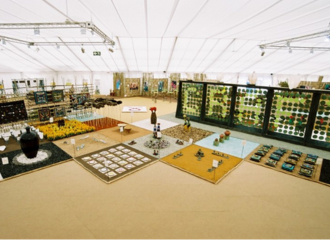
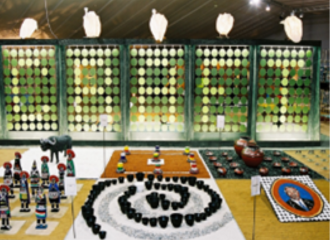
Nicholas de Klerk, a stalwart in the exhibition industry since 1975, has built a reputation for his unique, avant-garde approach to exhibition stand design. Serving as the Creative Director for the Exhibition Stand Design Division at ExpoGuys Nicholas harnesses the power of manual sketching and colourful renders, preferring to manifest his innovative designs ‘old school style’ on graph paper before his team digitises them. From his early beginnings as the town designer in Oranjemund to creating award-winning exhibition stands and delivering keynote speeches at international conferences, his multifaceted career speaks to his creative ingenuity and three-dimensional vision. A proponent of sustainable design, he infuses his work with recycled materials and everyday objects, leading him to coin the phrase ‘Junk Talks to me’. Known for his humorous and out-of-the-box approach, Nicholas believes in burning the proverbial box, defying conventional design paradigms to create unique, engaging, and sustainable exhibits. His most notable projects include the ‘Beautiful Things’ exhibition for the World Summit for Sustainable Development and the South Africa Village at the 2012 Olympics in London, where he blended craft, recycling, and visual storytelling.
De Klerk shares his insights and tips on what he believes “Makes an Exhibition Stand Truly Exceptional.”
The Power of Emotion
De Klerk firmly believes that evoking an emotional response from visitors is a critical element in the success of an exhibition stand. The most compelling emotion, according to De Klerk, is a smile. “If you can make them smile, then I believe you’ve got them in the palm of your hand.”
The Essence of a Strong Concept
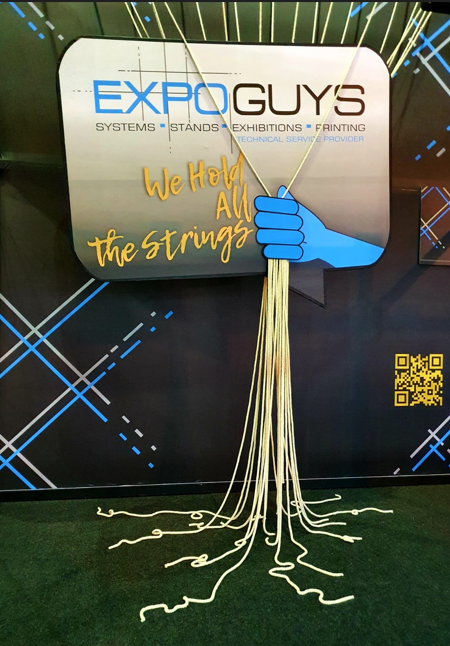
De Klerk enjoys using a slogan to create a central concept around which the exhibition stand is designed. His method revolves around one idea and the surrounding elements linked to it. For instance, an exhibition he designed for ExpoGuys revolved around the concept, “We hold all the strings.” This communicated the message ExpoGuys handle the whole project, represented through a creative exhibit of strings held by a large hand. The concept can vary based on the client’s requirements, the nature of their business, or their commitment to being environmentally friendly. “Whatever the theme, it should be strong and impactful”, he adds.
Entertainment Value
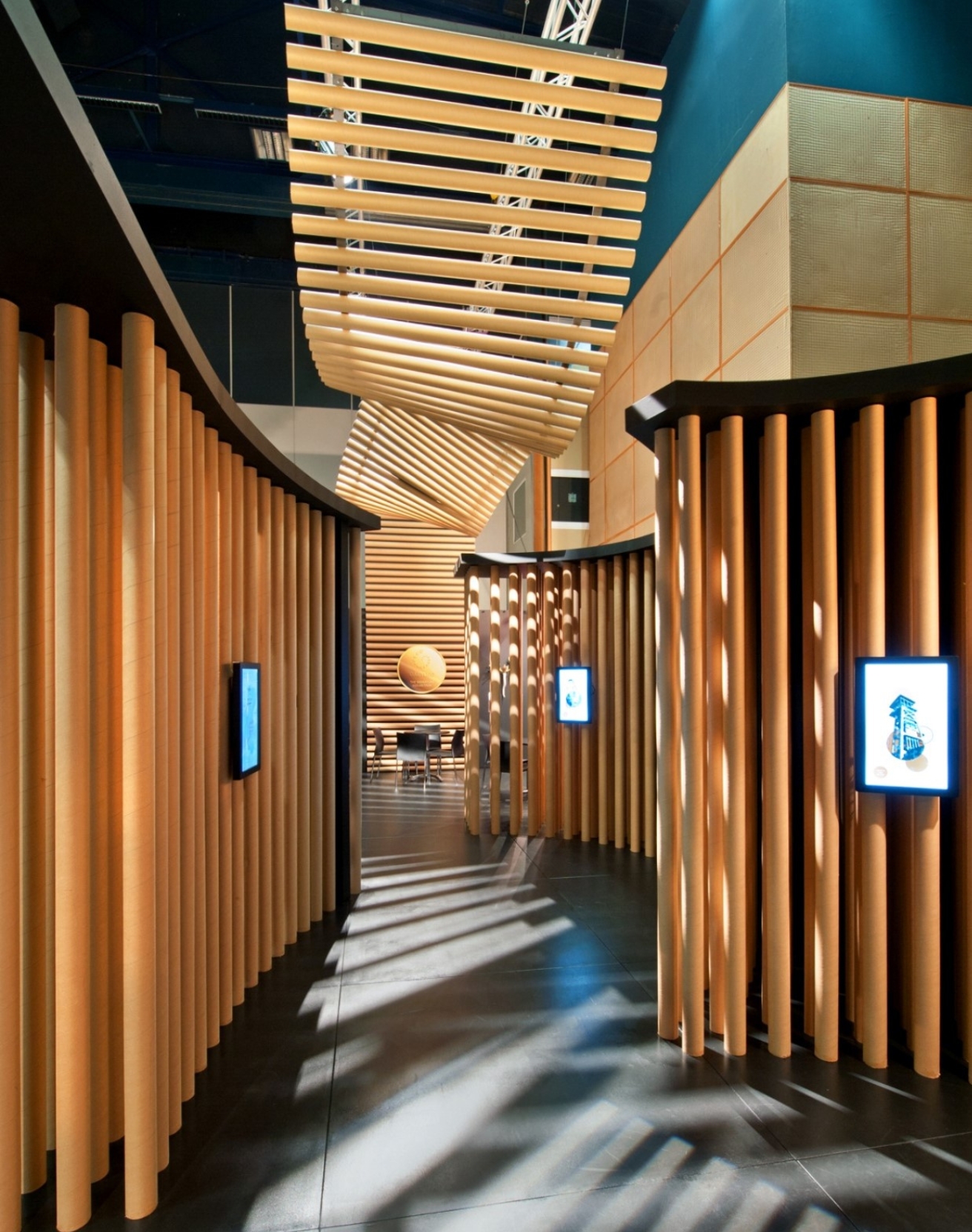
Exhibitions are a unique kind of marketplace, much like a ‘theatre of selling’, in De Klerk’s words. It’s about creating an entertaining experience that makes people want your product. ” Less is more, more is not always more,” he stresses. “The concept is so important. Don’t overload it. Stand out. Be daring and be different,” De Klerk advises, highlighting the need for uniqueness. He recounts using unconventional materials like hoola hoops, cardboard tubes, and pallet wraps to create memorable experiences. “Nothing is too silly to make someone smile”. He adds.

Clarity in What You’re Selling
It should be clear what product you are selling or the service you are providing. “If you have a table to display items, and people are asking more about the table than what’s on it, you’ve missed something,” says De Klerk.

Location, Location, Location!
When it comes to stand positioning, De Klerk tends to disagree with the popular belief that the front stand is always the best location. “For smaller stands, I prefer a stand at the end of an aisle against a wall because people see you as they walk down the aisle.” Visibility is key, and corner stands can often serve that purpose well. However, corner stands can have limitations with less wall space and fewer areas to display items.
Staffing a Stand
De Klerk emphasises the importance of staff enthusiasm and approachability, from the opening to the closing of the exhibition. Their energy and hospitality can either attract or repel visitors. Taking a non-confrontational approach and appearing friendly can make all the difference. Staff should be easily identifiable and trained to approach visitors appropriately. “Staff must be approachable and convey friendliness. Smile with their eyes, not only with their mouth,” he suggests. “Keeping staff happy is as important as keeping your visitors happy. Providing conveniences such as arranging accommodation close to the venue to alleviate traffic stress can go a long way and significantly boost staff morale,” he adds.
Drawing People to Your Stand
De Klerk suggests strategies to increase stand traffic. “People attract people. Tactics such as employing people or even asking the help of friends and family to show interest and engage with products on your stand can draw other visitors to your stand. The busier your stand, the more likely people are to visit because people are often shy,” he says, acknowledging there’s no universal solution.
The Importance of Lighting
“Strategic lighting is extremely important,” De Klerk emphasises. Good lighting can greatly enhance an exhibition stand’s appeal. Focused lighting and light strips can draw visitors. “Let the lighting spill into the aisle. As visitors walk down the aisle, they see the light and become curious about where it’s coming from,” he adds.
Making Technology Work for You
While De Klerk acknowledges the benefits of technology when used correctly, he warns against over-dependence. “For the right thing and can be afforded, screens are brilliant. “If you can’t afford it, don’t feel that you will be at a disadvantage because you can’t have it. There are other ways of coming up with the million-dollar idea and winning people over – I’m a bok for an idea,” he laughs.
He notes that the trend of using digital screens to loop sales videos is overrated and recommends an interactive sales tool approach instead. De Klerk challenges the perceived sustainability of digital screens, arguing that their carbon footprint, combined with the effort and cost of implementation, may negate the benefits. He also highlights the charm of low-tech solutions, which offer a refreshing change in our high-tech world. “A good printed picture, framed by a line of neon, can highlight a product just as effectively as any LED screen,” he explains. “However, don’t think that I’m against the use of an LED wall. When used properly, with well-designed animation, it’s hard to beat. It’s just that the costs involved can make it difficult for many exhibitors to include on their stands.”
Improving Shell Scheme Stands
“Facias above shell scheme stands identifies the exhibitor and is the accepted norm,” De Klerk states. “Without one, your vision falls into the stand, like having a handrail that’s not there all of a sudden, and you fall into the river.” He suggests doing away with facias for a more engaging experience. Furthermore, he advises choosing a carpet colour that blends with the aisle, especially for corner and large open stands, which can subtly lead people onto the stand, without them knowing, enhancing visitor engagement.
Conclusion
According to De Klerk, creating an exceptional exhibition stand involves eliciting emotion, developing a clear and captivating concept and message, making judicious use of technology, employing thoughtful design elements, and maintaining enthusiastic and approachable staff.